

How Functional Nutrition Addresses Digestive Problems
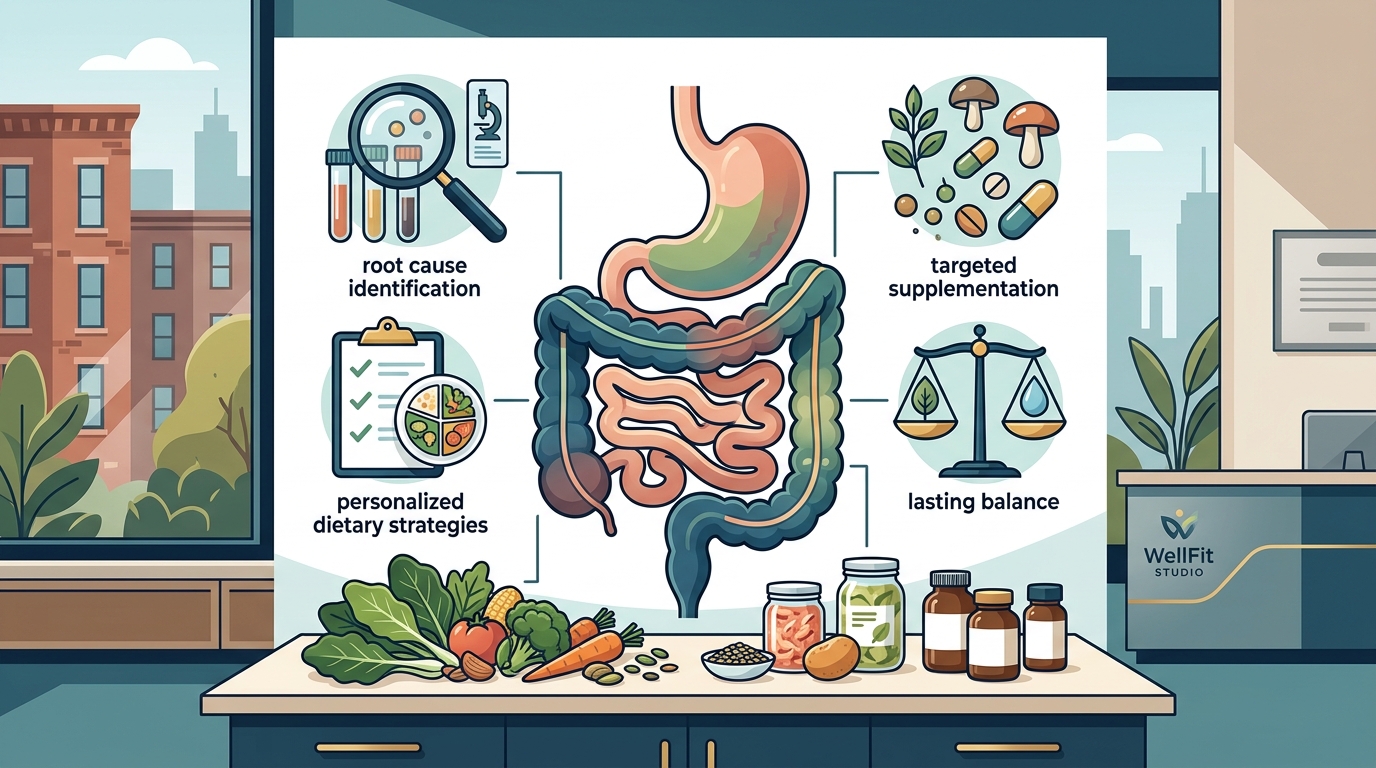
Digestive problems like bloating, constipation, IBS, and acid reflux affect more than 40% of people worldwide, with women reporting these issues more frequently than men. Conventional approaches often focus on managing symptoms with medication, but functional nutrition takes a different path. By identifying the root causes of gut dysfunction through personalized dietary strategies, advanced lab testing, and targeted supplementation, functional nutrition aims to restore lasting digestive balance. At WellFit Studio in Back Bay, Boston, Dr. Anna Israel combines Eastern and Western healing modalities to help patients reclaim their gut health from the inside out.
What Is Functional Nutrition?
Functional nutrition is a personalized, root-cause approach to using food as medicine. Unlike conventional dietetics that may apply a single protocol for everyone with a similar diagnosis, a functional medicine practitioner evaluates each patient's unique history, lifestyle, and biochemistry to create an individualized plan.
According to the Institute for Functional Medicine, practitioners trained in this model understand that nutrition is a vital component of gut and overall wellness. The goal is not merely symptom suppression but restoring the body's natural digestive capacity.
Root Causes of Digestive Problems
Digestive issues rarely have a single trigger. Functional nutrition investigates multiple overlapping factors that contribute to chronic gut dysfunction.
Gut Microbiome Imbalance
Dysbiosis is a disruption in the composition of gut microorganisms. The human gastrointestinal tract houses roughly 100 trillion microorganisms, and shifts in this ecosystem can trigger inflammation, bloating, and irregular bowel patterns. A leaky gut often develops alongside dysbiosis, allowing harmful substances to cross the intestinal barrier.
Food Sensitivities and Intolerances
Many patients self-report food-related GI symptoms, yet research shows only 11 to 27% can accurately identify their trigger foods when formally re-challenged. This is why structured elimination protocols guided by a trained practitioner are far more reliable than guesswork.
Nutrient Deficiencies
Poor stomach acid secretion and pancreatic insufficiency can impair digestion and lead to deficiencies in key nutrients like zinc, vitamin D, and fat-soluble vitamins A, E, and K. These deficiencies further weaken immune function and slow gut repair. Advanced lab testing helps uncover these hidden gaps.
How Functional Nutrition Assesses Gut Health
A thorough assessment is the foundation of any functional nutrition plan. At WellFit Studio, Dr. Anna Israel begins with a comprehensive health history review covering diet, stress levels, sleep quality, and symptom patterns.
From there, advanced functional lab tests may evaluate gut bacteria diversity, digestive enzyme output, food sensitivities, and inflammatory markers. These data points guide a targeted treatment plan rather than a one-size-fits-all prescription. This is the same evidence-based process recommended by leading integrative health practitioners.
Key Dietary Strategies for Digestive Healing
Elimination Diets
An elimination diet is a structured protocol that temporarily removes suspected trigger foods to identify which ones provoke symptoms. Common targets include gluten, dairy, soy, and highly fermentable carbohydrates known as FODMAPs. A meta-analysis published in Nutrients found that a low-FODMAP diet significantly improved bloating in 77% of IBS patients, abdominal pain in 71%, and diarrhea in 70%.
Anti-Inflammatory Nutrition
Chronic gut inflammation is a driver of many digestive disorders. An anti-inflammatory eating pattern emphasizes whole vegetables, fruits rich in polyphenols, omega-3 fatty acids, and prebiotic fibers. Reducing inflammatory foods like refined sugars, processed oils, and alcohol is equally important.
Prebiotic and Probiotic Foods
Prebiotic fiber is a type of non-digestible carbohydrate that feeds beneficial gut bacteria. Foods like garlic, onions, asparagus, and bananas supply these fibers naturally. Fermented foods such as sauerkraut, kimchi, and kefir provide live probiotic cultures that support microbial diversity.
Targeted Supplements and Herbal Support
When dietary changes alone are not enough, specific supplements can accelerate gut repair. Clinical research supports the use of L-glutamine for intestinal lining repair, DGL licorice root for soothing inflammation, and high-quality probiotics for restoring microbial balance.
Digestive enzymes may benefit patients with low stomach acid or pancreatic insufficiency. Dr. Anna Israel's approach at WellFit Studio integrates evidence-based herbal therapies with personalized dosing, ensuring each protocol matches the individual patient's needs.
Conventional vs. Functional Nutrition Approaches
Understanding the differences helps you choose the right path for your digestive health.
| Factor | Conventional Approach | Functional Nutrition Approach |
|---|---|---|
| Focus | Symptom management | Root-cause identification |
| Diet Protocol | Standardized guidelines | Personalized elimination and reintroduction |
| Testing | Basic blood work | Advanced microbiome, sensitivity, and nutrient panels |
| Treatment | Medication-centered | Food, supplements, and lifestyle modifications |
| Duration | Ongoing symptom control | Time-limited healing phases with long-term maintenance |
| Patient Role | Passive recipient | Active participant in health decisions |
Functional nutrition does not reject conventional medicine. Instead, it complements it by addressing the underlying imbalances that medications may not resolve. Learn more about health coaching at WellFit Studio to see how ongoing support fits into this model.
Key Takeaways
- Functional nutrition is a personalized, root-cause approach that uses food, testing, and targeted supplements to heal the gut.
- Digestive problems often stem from dysbiosis, food sensitivities, and hidden nutrient deficiencies working together.
- A low-FODMAP elimination diet has been shown to improve bloating in 77% and abdominal pain in 71% of IBS patients.
- Advanced lab testing reveals gut imbalances that standard blood work may miss entirely.
- Supplements like L-glutamine, probiotics, and digestive enzymes can accelerate healing when paired with dietary changes.
- Functional nutrition complements conventional care rather than replacing it.
- Working with an experienced practitioner ensures protocols are safe, effective, and tailored to your biology.
Frequently Asked Questions
What digestive conditions can functional nutrition help with?
Functional nutrition supports a wide range of conditions including IBS, SIBO, acid reflux, chronic bloating, constipation, and inflammatory bowel concerns. It works by addressing the triggers behind symptoms rather than suppressing them.
How long does it take to see results?
Many patients notice improvements within two to four weeks of starting an elimination diet. Full gut healing, including restoring microbiome balance, typically takes three to six months depending on the severity of the issue.
Is functional nutrition the same as seeing a regular dietitian?
No. A functional nutritionist takes a deeper dive into root causes, evaluating each person's full history and lifestyle. This differs from the conventional model of applying a single protocol for all patients with a similar condition.
What does a first appointment at WellFit Studio look like?
Dr. Anna Israel begins with a detailed health history review, discusses your symptoms and lifestyle, and may recommend functional lab tests. From there, she creates a personalized nutrition and supplement plan. Visit the About page to learn more about her qualifications.
Do I need to stop eating certain foods permanently?
Not necessarily. Elimination diets are temporary. Once trigger foods are identified, a structured reintroduction phase determines which foods you can safely bring back and in what quantities.
Can gut health affect my skin?
Absolutely. The gut-skin axis is well established in functional medicine. Conditions like acne, eczema, and rosacea often improve when underlying digestive dysfunction is resolved. Read more about the gut-skin connection.
Does WellFit Studio accept insurance for functional nutrition services?
Coverage varies by plan. Contact WellFit Studio directly to discuss fees and insurance options before your first visit.
Your Next Step Toward Better Digestion
If bloating, irregular digestion, or chronic gut discomfort is affecting your daily life, functional nutrition offers a proven path forward. Dr. Anna Israel and the team at WellFit Studio in Back Bay, Boston provide personalized, evidence-based digestive care that treats the whole person. Schedule a consultation today and start your journey toward lasting gut health.