

Hormonal imbalances remain a leading contributor to conception challenges across modern reproductive health. Clinical observations indicate that roughly thirty percent of couples experience difficulty conceiving due to endocrine disruptions. Integrative practitioners increasingly utilize targeted needle therapy to restore physiological equilibrium. This approach addresses the underlying regulatory mechanisms rather than masking symptoms. Patients seeking sustainable reproductive support often explore these non-pharmaceutical pathways first. Comprehensive assessments now prioritize root-cause identification over temporary symptom management. (About Us WellFit Studio)
Understanding Hormonal Disruption
Endocrine disruption is the physiological interference with natural hormone production, transport, or receptor binding. The reproductive axis relies on precise feedback loops between the hypothalamus, pituitary gland, and gonads. When these signals falter, ovulation cycles become irregular or cease entirely. Stress, environmental toxins, and chronic inflammation frequently interrupt these delicate pathways. Identifying the specific break in the chain requires targeted diagnostic evaluation. (FAQ WellFit Studio Acupuncture)
Endocrine System Basics
The endocrine system operates as a chemical messaging network. Glands release specific compounds into the bloodstream to regulate metabolism, mood, and reproductive readiness. Follicle-stimulating hormone and luteinizing hormone drive follicular development and ovulation. Estrogen and progesterone prepare the uterine lining for potential implantation. Any deviation from baseline secretion patterns can compromise conception timelines.
Common Imbalance Triggers
Modern lifestyle factors heavily influence endocrine stability. Prolonged psychological stress elevates cortisol, which directly suppresses gonadotropin-releasing hormone. Poor dietary patterns introduce inflammatory compounds that interfere with receptor sensitivity. Environmental endocrine disruptors found in plastics and processed foods mimic natural hormones. These external pressures create a perfect storm for reproductive dysfunction.
Acupuncture Mechanisms
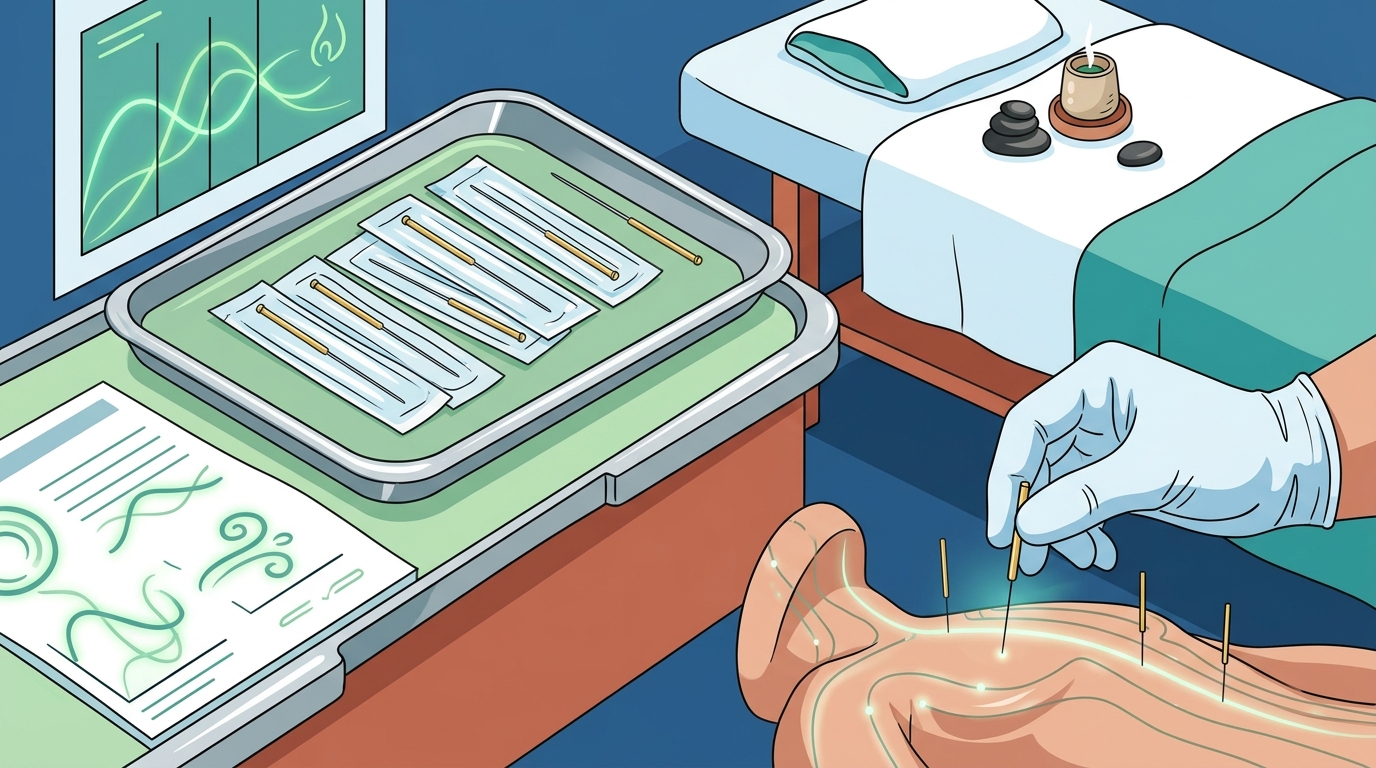
Neuroendocrine regulation is the bidirectional communication pathway linking the central nervous system to glandular output. Traditional needle therapy stimulates specific anatomical points to recalibrate this communication. Modern research suggests that precise stimulation modulates neurotransmitter release and improves vascular perfusion. This dual action supports both hormonal signaling and tissue nourishment. (Neuroendocrine Cancer on)
Neuroendocrine Regulation
Targeted needle placement activates peripheral nerve endings that project directly to the brainstem. This stimulation triggers the release of endogenous opioids and serotonin. These natural compounds help downregulate the stress response and restore parasympathetic dominance. Reduced sympathetic overdrive allows the hypothalamus to resume normal gonadotropin secretion. Patients often report improved sleep and emotional stability alongside cycle regularity.
Blood Flow Optimization
Uterine and ovarian perfusion directly correlates with follicular health and implantation success. Acupuncture promotes vasodilation through nitric oxide release and improved microcirculation. Enhanced blood flow delivers essential nutrients and oxygen to developing follicles. This vascular support creates a more receptive environment for embryo attachment. Consistent treatment sessions gradually improve tissue elasticity and metabolic exchange.
Functional Nutrition Support
Functional nutrition is the clinical application of dietary modification to correct metabolic inefficiencies. Nutritional therapy complements needle therapy by addressing substrate deficiencies and inflammatory triggers. Specific micronutrients support methylation pathways and hormone conjugation. Elimination diets help identify food sensitivities that exacerbate endocrine dysfunction. A structured nutritional protocol ensures the body has the raw materials needed for hormone synthesis.
Metabolic Reset Protocols
Metabolic flexibility determines how efficiently the body utilizes glucose and fatty acids for energy. Insulin resistance directly interferes with ovarian function and egg quality. Low-glycemic dietary patterns stabilize blood sugar and reduce compensatory insulin spikes. Fiber-rich foods support healthy estrogen excretion through the digestive tract. Targeted supplementation fills common gaps in B-vitamins, magnesium, and essential fatty acids.
Comparing Interventions
| Intervention Type | Primary Mechanism | Typical Treatment Duration | Best Suited For |
|---|---|---|---|
| Traditional Acupuncture | Neuroendocrine recalibration and vascular enhancement | Three to six months | Irregular cycles and stress-related suppression |
| Functional Nutrition | Substrate optimization and inflammatory reduction | Two to four months | Insulin resistance and nutrient deficiencies |
| Conventional Hormone Therapy | Exogenous hormone replacement and cycle induction | Variable, often ongoing | Severe deficiency states and immediate cycle control |
| Lifestyle Modification | Stress reduction and circadian rhythm alignment | Continuous integration | Preventative maintenance and long-term resilience |
Integrative practitioners at WellFit Studio combine these modalities to create personalized fertility roadmaps. Each patient receives a comprehensive functional lab panel to map exact deficiency patterns. Treatment plans adjust dynamically based on cycle tracking and biomarker improvements. This adaptive methodology ensures maximum therapeutic efficiency without unnecessary interventions.
Key Takeaways
- Hormonal imbalances disrupt ovulation through complex feedback loop failures.
- Acupuncture stimulates neuroendocrine pathways to restore natural signaling.
- Enhanced uterine perfusion supports follicular development and implantation.
- Functional nutrition addresses substrate deficits and inflammatory triggers.
- Integrated protocols yield higher conception rates than isolated interventions.
- Stress management directly improves hypothalamic-pituitary-ovarian axis function.
- Personalized treatment plans require ongoing biomarker monitoring.
Frequently Asked Questions
How long does acupuncture treatment typically last for fertility support?
Most clinical protocols recommend a minimum of three to six months of consistent sessions. This timeframe aligns with the natural follicular development cycle and allows sufficient time for neuroendocrine recalibration. Patients often notice improved cycle regularity within the first two months. Long-term consistency correlates directly with higher conception success rates.
Can acupuncture replace conventional hormone medications?
Acupuncture serves as a complementary modality rather than a direct replacement for prescribed medications. Some patients successfully reduce medication dosages under physician supervision after achieving cycle stability. The therapy works by restoring endogenous production rather than introducing exogenous compounds. Treatment decisions always require collaborative oversight between integrative and reproductive specialists.
What functional lab tests identify root hormonal causes?
Comprehensive panels typically include thyroid function markers, sex hormone ratios, and inflammatory cytokines. Adrenal stress profiles reveal cortisol patterns that suppress reproductive hormones. Nutritional assessments identify critical deficiencies in magnesium, zinc, and B-vitamins. These diagnostic tools guide precise therapeutic interventions and track progress accurately.
Is acupuncture safe during early pregnancy?
Qualified practitioners utilize pregnancy-safe point selection and gentle stimulation techniques. Certain anatomical locations are strictly avoided to prevent unintended uterine contractions. Many patients continue treatment during the first trimester to support implantation and reduce miscarriage risk. Always verify practitioner credentials and disclose pregnancy status before scheduling sessions.
How does stress impact fertility hormones?
Chronic psychological stress elevates cortisol, which directly suppresses gonadotropin-releasing hormone. This suppression disrupts the delicate balance required for regular ovulation. Acupuncture activates the parasympathetic nervous system to counteract stress hormone production. Patients frequently report improved emotional resilience alongside cycle normalization.
What lifestyle changes maximize acupuncture results?
Regular moderate exercise, consistent sleep schedules, and nutrient-dense meals create optimal conditions for hormonal recovery. Avoiding environmental toxins and processed foods reduces inflammatory burden on the endocrine system. Mindfulness practices and breathwork complement needle therapy by lowering sympathetic tone. These foundational habits ensure therapeutic interventions achieve maximum physiological impact.
Next Steps
Restoring hormonal equilibrium requires patience, precise diagnostics, and consistent therapeutic commitment. Schedule a consultation with our integrative health team to begin your personalized fertility assessment. We combine advanced functional lab testing with targeted acupuncture and nutritional protocols. Visit our main page to explore comprehensive service offerings and patient resources. Your path to balanced reproductive health starts with a single informed decision.